

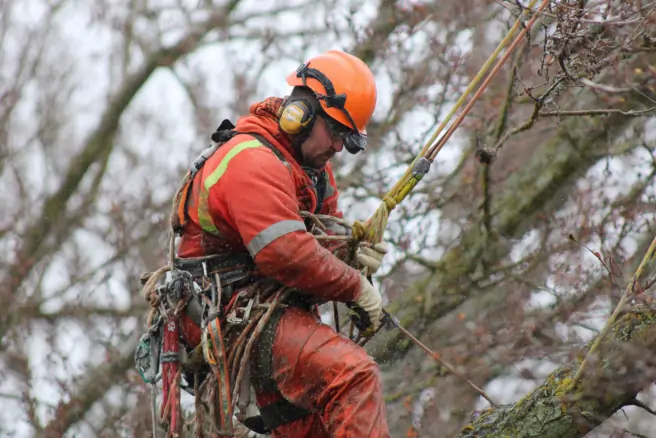
 When it comes to maintaining the health, safety, and aesthetics of trees, a certified arborist plays an indispensable role. These professionals bring extensive knowledge and expertise in tree care practices, ensuring that pruning is carried out correctly and effectively. Understanding their qualifications and contributions can help you appreciate why hiring a certified arborist is critical for proper tree pruning.
Who Is a Certified Arborist?
A certified arborist is a trained professional with specialized knowledge in the art and science of tree care. They are accredited by organizations such as the International Society of Arboriculture (ISA) after meeting rigorous educational, training, and testing requirements.
- Tree biology and physiology: Understanding how trees grow, respond to stress, and recover from damage.
- Pruning techniques: Knowing when to prune, how much to remove, and which methods promote optimal growth.
- Pest management: Identifying insects or diseases that threaten tree health.
- Risk assessment: Recognizing structural issues that may pose safety hazards.
Arborists stay up-to-date on best practices through continuing education to ensure they provide the highest standard of care.
Why Are Certified Arborists Essential for Tree Pruning?
Tree pruning is not just about removing branches; it’s a precise practice that requires careful planning based on the species of the tree, its condition, location, and specific goals for pruning.
- Knowledge-Based Decisions
Arborists understand the biology behind tree growth cycles. They know which branches should be pruned to encourage healthy development while avoiding unnecessary stress on the tree. - Preservation Over Damage
Incorrect or aggressive pruning can lead to long-term damage such as decay or weak limb structure. Arborists employ methods like crown thinning or deadwood removal that enhance health without harm. - Safety Expertise
Large trees or those located near structures require precision work that minimizes risks during pruning procedures. Certified arborists are trained in safe climbing techniques and use advanced equipment to protect property and personnel. - Customized Care Plans
Every tree has unique needs based on its species, age, size, location within the landscape, and external threats (e. g. , pests). An arborist tailors their approach accordingly rather than applying generic practices.
Common Tree Pruning Techniques Utilized by Certified Arborists
| Pruning Technique | Purpose |
| Crown Thinning | Improves light penetration and airflow through selective branch removal |
| Crown Reduction | Reduces overall size while maintaining natural shape |
| Deadwood Removal | Eliminates dead or decaying branches for safety |
| Structural Pruning | Shapes young trees for stronger future growth |
Benefits of Hiring a Certified Arborist
- Longer lifespan due to healthier growth patterns.
- Improved safety by addressing hazardous limbs.
- Enhanced visual appeal tailored to landscape aesthetics.
- Protection from pests or diseases through proactive interventions.
Certified arborists do more than prune—they safeguard your investment in trees while fostering greener urban landscapes responsibly. Whether it’s shaping young saplings or managing mature specimens in need of renewal cuts, their expertise guarantees optimal outcomes every time.
Expert Palm Bay Tree Service for Large Tree Issues and Pruning Solutions
Large trees are an essential part of a healthy ecosystem and can greatly enhance the beauty of your property. However, they come with their own unique set of challenges. Proper pruning is a crucial strategy to address these issues while ensuring the tree remains healthy, safe, and aesthetically pleasing. Below, we discuss some common problems associated with large trees and provide effective pruning solutions.
Expert Tree Pruning Service Palm Bay FL: Solving Common Large Tree Issues
Michael’s Tree Service
1232 Dawn St NE, Palm Bay, FL 32905
+13212947508
- Overgrown Branches:
Over time, large trees may develop branches that extend too far, threatening nearby structures or power lines. - Weak or Dead Limbs:
Deadwood poses safety risks as it can fall unexpectedly and cause injury or property damage. - Canopy Density:
Excessively thick foliage reduces sunlight penetration to lower branches or surrounding plants, leading to poor growth. - Diseased or Infested Sections:
Pests and diseases often spread through unchecked limbs, compromising the overall health of the tree. - Structural Problems:
Poor branch attachment points or co-dominant stems can make a tree more susceptible to splitting or breakage during storms.
Crown thinning primarily involves removing select branches throughout the canopy to reduce density while maintaining the tree’s natural shape.
- Improved airflow through the canopy.
- Enhanced light penetration for lower branches and plants beneath.
- Reduced weight on heavy limbs, lowering the risk of limb failure.
- Prevents accidents caused by falling branches.
- Minimizes opportunities for pests and decay to spread within the tree.
- Removes low-hanging limbs to improve clearance.
- Allows better access for people and vehicles without harming the tree’s health.
- Focus on removing competing leaders (e. g. , co-dominant stems) early on.
- Strengthen branch attachment points by encouraging balanced growth patterns.
Table: Quick Reference – Issues vs Solutions
| Tree Issue | Recommended Solution | Benefits |
| Overgrown Branches | Crown Thinning | Reduces risk of property damage |
| Weak/Dead Limbs | Deadwood Removal | Ensures safety; prevents pest spread |
| Dense Canopy | Crown Thinning | Improves airflow & sunlight |
| Diseased/Infested Sections | Targeted Pruning | Stops disease progression |
| Structural Problems | Structural Pruning | Promotes long-term stability |
Best Practices for Large Tree Pruning
- Use Proper Tools:Always use sharp, clean tools appropriate for branch size to ensure clean cuts that heal well.
- Avoid Topping:Topping severely weakens trees by removing large sections of foliage indiscriminately; opt for selective pruning instead.
- Timing Matters:Prune during dormant seasons (fall/winter) when possible to minimize stress on the tree.
- Call in Professionals:For large-scale pruning needs or complex structural corrections, consulting an experienced arborist is highly recommended.
With careful planning and precise execution of these strategies, common challenges with large trees can be resolved effectively while promoting their health and longevity over time.
Comprehensive Arborist Tree Services for Optimal Pruning Results
Tree pruning is a critical practice to ensure trees remain healthy, safe, and visually appealing. While some property owners may take on the task themselves, hiring certified arborists for comprehensive tree services offers unparalleled advantages. These professionals are equipped with the knowledge, tools, and experience to provide tailored pruning solutions that meet the specific needs of each tree.
Why Choose Comprehensive Arborist Services?
Certified arborists bring a wealth of expertise in tree biology, growth patterns, and structural integrity.
- Tree Health Assessment: Arborists evaluate the overall health of trees to identify diseases, pest infestations, or structural weaknesses that could affect pruning decisions.
- Customized Pruning Techniques: By understanding each species’ growth habits, arborists apply techniques like crown thinning or deadwood removal to promote optimal health.
- Long-Term Maintenance Plans: Arborists help property owners create pruning schedules that address seasonal needs and ensure consistent care.
Essential Tree Pruning Techniques
Arborist-led pruning focuses on maintaining both the aesthetic appeal and structural soundness of trees.
- Removal of dead, dying, or diseased branches.
- Prevents decay from spreading while allowing more light and air circulation.
- Elimination of lower branches to increase clearance for buildings or pathways.
- Improves visibility and reduces safety hazards.
- Reducing the overall size of a tree’s canopy without compromising its natural shape.
- Ideal for reducing storm damage risks or controlling overgrown trees near power lines.
- Focuses on younger trees to guide their growth into strong structures.
- Prevents future issues such as poor branch attachments or uneven weight distribution.
| Technique | Purpose | Benefits |
| Crown Cleaning | Remove unhealthy branches | Improves tree health and safety |
| Crown Raising | Increase clearance beneath canopy | Reduces conflicts with structures |
| Crown Reduction | Reduce size while maintaining structure | Minimizes storm damage risk |
| Structural Pruning | Shape young trees for strong frameworks | Enhances long-term stability |
The Role of Specialized Equipment
- Pole Saws & Loppers: For accessing higher branches without climbing unnecessarily.
- Climbing Equipment: Includes harnesses, ropes, and spikes used as needed during large-scale pruning operations.
- Chainsaws & Hand Saws: Essential for cutting through thicker limbs safely while maintaining precision.
These tools ensure that even challenging tasks are completed effectively without undue harm to the tree or surrounding property.
Benefits of Hiring Certified Arborists
- Enhanced tree health through expert care practices.
- Improved safety by eliminating weak or hazardous branches.
- Aesthetic benefits from precision shaping tailored to your landscape goals.
- Compliance with local regulations regarding protected species or tree permits.
Investing in professional arborist services guarantees optimal results by combining scientific knowledge with practical expertise—ensuring your trees thrive for years to come while contributing beauty and functionality to your outdoor spaces.
Why Tree Pruning Is a Worthwhile Investment for Healthier, Safer Trees
Tree pruning is not merely a cosmetic service—it plays a critical role in ensuring the health, safety, and longevity of your trees. Investing in professional tree pruning can offer various benefits that go beyond improving the aesthetics of your landscape. Below is an exploration of how this practice contributes to healthier and safer trees, making it an essential component of long-term tree care.
Benefits of Tree Pruning
- Pruning removes dead, diseased, or damaged branches, which helps prevent the spread of decay and pathogens throughout the tree.
- Proper thinning ensures better airflow and sunlight penetration to inner limbs and leaves, promoting photosynthesis and overall vitality.
- By addressing structural issues early on through strategic cuts, you can reduce stress on specific branches and promote balanced growth.
- Weak or overgrown branches pose a significant risk during storms or high winds. Pruning minimizes this hazard by eliminating unstable limbs.
- Proper pruning reduces the likelihood of interference with power lines, roofs, fences, or other nearby structures.
- A well-maintained tree has less potential to drop debris unexpectedly, reducing liability risks in public or private spaces.
- Selective cutting can trigger the development of new shoots or branches where they are most needed.
- Seasonal pruning stimulates growth cycles while allowing trees to allocate nutrients efficiently.
- Removing deadwood and shaping the canopy improves the visual appeal of both individual trees and your entire landscape.
- Well-pruned trees contribute to curb appeal by creating a polished look for residential or commercial properties.
- Regular maintenance prevents structural weakness caused by overcrowding or competing branches.
- Healthy trees are more resilient against pests, diseases, and harsh environmental conditions.
Key Techniques Used in Professional Tree Pruning
| Technique | Purpose | Examples |
| Crown Thinning | Improves light penetration & airflow | Removing smaller branches evenly |
| Crown Raising | Increases vertical clearance | Removing lower limbs selectively |
| Crown Reduction | Reduces size while maintaining shape | Trimming outer edges uniformly |
| Deadwooding | Removes dead/dying wood | Cutting off lifeless branches only |
Professional arborists know how to apply these techniques appropriately based on species-specific requirements and site conditions.
Long-Term Cost-Effectiveness
- Preventing extensive damage caused by falling branches avoids hefty repair bills.
- Maintaining healthy trees reduces treatment costs associated with pest infestations or diseases.
- Extending the life expectancy of mature trees eliminates premature removal expenses.
By incorporating professional tree pruning into your routine care schedule, you not only support ecological health but also protect your property’s value over time—making it truly worth every dollar spent.
How Professional Tree Pruning Elevates the Health and Longevity of Your Landscape
Professional tree pruning is a critical aspect of maintaining a healthy, aesthetically pleasing, and sustainable landscape. While it may seem like a simple task, proper pruning involves more than just cutting branches. It requires expertise, careful planning, and precision to ensure that trees not only survive but thrive for years to come.
Benefits of Professional Tree Pruning
- Promotes Tree Health: Removing dead, diseased, or damaged branches prevents decay-causing fungi from penetrating the tree. This promotes healthier growth by redirecting nutrients to essential parts of the tree.
- Enhances Safety: Overgrown or weak branches can pose safety hazards during storms. Proper pruning minimizes these risks by removing potentially dangerous limbs.
- Improves Aesthetic Appeal: Expertly pruned trees enhance the visual balance and symmetry of your landscape, giving it a polished appearance.
- Boosts Sunlight Penetration: Thinning out dense foliage allows sunlight to reach lower branches and nearby plants, improving overall growth conditions within your garden.
- Increases Lifespan: By eliminating stress points on trees caused by overgrowth or poor structure, professional pruning extends their life expectancy.
Key Techniques Used by Professionals
Certified arborists use specific techniques tailored to enhance both the structure and health of trees.
- Crown Thinning: Selective removal of branches to reduce density while maintaining the natural shape. This improves air circulation and light penetration.
- Crown Raising: Removal of lower limbs to provide clearance for pedestrians, vehicles, or structures beneath the tree.
- Deadwood Removal: Cutting away dead or decaying branches that may harbor pests or diseases.
- Crown Reduction: Reducing the size of an overly large canopy while retaining its shape and structural integrity.
| Technique | Purpose | Outcome |
| Crown Thinning | Reduce density | Improved airflow and light penetration |
| Crown Raising | Increase clearance | Enhanced functionality underneath |
| Deadwood Removal | Eliminate decaying material | Prevents disease spread |
| Crown Reduction | Shrink overly large canopy | Maintains health while controlling size |
Signs That Your Trees Need Pruning
- Branches are crossing or rubbing against one another
- The canopy appears too dense, blocking sunlight
- Dead or broken limbs are visible
- Tree structure looks unbalanced
- Branches grow too close to utility lines or buildings
Why Hire Professionals Instead of DIY?
- Incorrect cuts can weaken trees or lead to infections.
- Large-scale pruning requires specialized tools and equipment not readily available in most households.
- Professionals have in-depth knowledge about species-specific needs and optimal timing for trimming.
By entrusting this task to professionals equipped with training and expertise, you gain peace of mind knowing that your trees are being cared for in a way that boosts their vitality while protecting surrounding elements in your yard.
Investing in professional tree pruning services is not just about keeping up appearances; it’s about nurturing long-term health for your landscape’s most valuable assets—your trees.
Professional Tree Removal Company Palm Bay FL: Expert Solutions for Large Tree Care
Pruning large trees is a task that requires expertise, proper tools, and a deep understanding of tree biology. Whether the goal is to enhance the tree’s aesthetics, ensure safety, or promote healthier growth, precision pruning plays a critical role. Below is a detailed guide on effectively removing or shaping large trees with care and professionalism.
Why Precision Matters in Tree Pruning
Large trees require careful attention during pruning to avoid unnecessary damage and ensure their structural integrity. Poorly executed cuts can weaken the tree, allowing pests and diseases to invade.
- Maintain the natural shape of the tree.
- Encourage healthy branch development.
- Reduce risks of overhanging limbs near structures or power lines.
- Prevent over-pruning that could harm the tree’s long-term health.
Steps for Effective Large Tree Pruning
- Inspect its overall structure and health.
- Identify dead, diseased, or weak branches needing removal.
- Understand how pruning will impact its canopy and stability.
- Use sharp tools like pole pruners, loppers, or chainsaws for clean cuts.
- Disinfect tools between uses to prevent spreading diseases between branches.
- Cut just outside the branch collar (the swollen area where the branch meets the trunk) to aid in natural healing.
- Avoid leaving stubs or cutting into the trunk itself.
- Prune deciduous trees during their dormant season (usually late winter).
- Light pruning during active growth periods may be necessary for specific species but should be done with caution.
When Removal Is Essential
In some cases, shaping may not address underlying issues with large trees.
- The tree poses significant safety hazards due to instability or disease.
- It’s leaning dangerously toward structures or utility lines.
- Storm damage has compromised its structural integrity beyond repair.
Benefits of Hiring Certified Arborists for Large Trees
| Benefit | Description |
| Safety Protocols | Arborists use industry-standard techniques for safe climbing and equipment usage. |
| Knowledge of Tree Biology | They understand how different species respond to pruning methods and timing. |
| Specialized Tools | Professionals have access to advanced tools like cranes for larger branches if needed. |
Best Practices for Shaping Large Trees
- Thin Out Crowded Branches:Create space in dense canopies by carefully removing select branches.
- Elevate Lower Limbs:Remove low-hanging branches interfering with walkways or views.
- Balance Asymmetrical Growth:Address uneven growth patterns by shaping areas that lean heavily in one direction.
Precision pruning ensures your large trees remain both beautiful and safe while fostering their longevity through sustainable practices performed correctly from start to finish.
The Key Role of Proper Tree Pruning in Promoting Sustainable Landscapes
Tree pruning is more than just an aesthetic practice; it plays a crucial role in fostering sustainable landscapes. Thoughtful and precise pruning not only ensures the structural integrity of trees but also supports environmental health. Below, we explore how proper tree pruning can contribute to sustainability and create thriving ecosystems.
Encourages Healthy Tree Growth
Regular and strategic pruning removes weak, dead, or diseased branches that could otherwise hinder a tree’s growth.
– Trees can focus their energy on producing healthier foliage, flowers, and fruit.
– New growth is directed toward strong, well-positioned branches that support overall structural stability.
– Pruning reduces competition for sunlight within the canopy, ensuring even distribution of light to all parts of the tree.
Reduces Risks to People and Property
Trees that are left unpruned may pose safety hazards due to falling limbs or branches that grow too close to structures such as homes or power lines.
– Damaged or overgrown branches are removed before they become dangerous.
– Trees maintain their natural shape while avoiding interference with infrastructure.
– Properly pruned trees are less likely to succumb to storm damage.
Enhances Biodiversity
Tree pruning directly supports biodiversity by creating conditions for wildlife habitats and promoting healthy ecosystems:
– Removing dead wood provides space for new habitats essential for birds, insects, and other wildlife species.
– Pruning encourages flowering and fruiting patterns, offering food sources for pollinators like bees and butterflies.
– Well-maintained trees contribute shade and wind protection for surrounding plants, fostering diverse vegetation.
Conserves Resources Through Longevity
A well-pruned tree is more likely to thrive over its lifetime, reducing the need for replacement planting or extensive maintenance:
| Benefit | Impact on Sustainability |
|————————–|——————————————-|
| Disease prevention | Lower risk of pests spreading |
| Structural soundness | Fewer removals due to storm damage |
| Extended lifespan | Reduced demand for replanting |
By maintaining healthy trees through regular pruning practices, communities can conserve resources while enjoying long-term environmental benefits.
Supports Carbon Sequestration Efforts
Healthy trees play a significant role in absorbing carbon dioxide from the atmosphere—a critical factor in combating climate change.
– Increasing leaf surface area where photosynthesis occurs efficiently. – Preventing premature tree decline caused by neglect or disease. – Enabling trees in urban spaces to act as “green lungs” that purify the air.
Simple Guidelines for Sustainable Pruning Practices
To maximize these benefits while supporting sustainability goals, follow these fundamental guidelines during your pruning efforts:
1.Prune During Dormant Seasons– Late winter or early spring minimizes stress on the tree. 2.Remove Only What’s Necessary– Avoid over-pruning as it can weaken the tree’s structure. 3.Use Clean Tools– Sanitize tools between cuts to prevent disease spread. 4.Consult an Arborist– Professional input ensures correct techniques based on species-specific needs.
By prioritizing proper techniques and consistent care through thoughtful pruning practices, you contribute not just to healthier individual trees but also promote resilient landscapes capable of thriving sustainably over time.
The Key Role of Proper Tree Pruning in Promoting Sustainable Landscapes
Proper tree pruning plays a vital role in fostering sustainable landscapes, as it not only enhances the health and visual appeal of trees but also contributes to the broader ecological balance. By carefully managing how trees grow and interact with their environment, informed pruning practices support biodiversity, prevent resource waste, and ensure long-term landscape resilience.
Benefits of Proper Tree Pruning for Sustainability
- Enhanced Tree Health:By removing dead, diseased, or damaged branches, pruning reduces the risk of pest infestations and fungal infections. This promotes stronger growth while minimizing dependency on chemical treatments.
- Increased Safety:Pruning improves structural stability by eliminating weak or overextended branches that could pose hazards during storms or high winds. This protects people and property while reducing clean-up efforts.
- Optimal Light Penetration:Strategic branch thinning allows light to reach understory plants and ground vegetation. This supports a diverse range of plant species that contribute to soil health and habitat creation.
- Improved Carbon Sequestration:Healthy trees are more effective at capturing carbon dioxide from the atmosphere. Proper pruning ensures trees remain vigorous and continue contributing to carbon storage over time.
Best Practices for Sustainable Tree Pruning
- Prune During Dormancy:Pruning in late winter or early spring helps prevent stress on the tree while reducing the risk of spreading diseases.
- Use Clean Tools:Sanitizing tools before each cut avoids transmitting pathogens between trees.
- Focus on Structural Integrity:Remove branches selectively to enhance balance and reduce strain on key limbs without over-thinning the canopy.
- Avoid Topping Trees:Topping weakens trees and reduces their lifespan by exposing them to stressors like pests and decay.
- Align with Natural Growth Patterns:Respect each species’ natural form by shaping branches to match its growth tendencies rather than forcing an unnatural shape.
Broader Environmental Impact
| Benefit | Ecological Impact |
| Habitat Preservation | Maintaining healthy trees supports bird nests, insect pollinators, and other wildlife habitats |
| Soil Conservation | Strategically pruned canopies reduce soil erosion by improving wind resistance near root zones |
| Water Management | Balanced canopies promote rainwater infiltration into soil rather than surface runoff |
Partnering With Professionals
While DIY pruning may seem appealing for cost savings, hiring certified arborists ensures sustainable practices are followed without compromising tree vitality or environmental goals.
Investing in proper pruning not only enhances individual landscapes but also strengthens collective efforts toward creating greener urban areas and thriving ecosystems where biodiversity flourishes organically through thoughtful interventions.
- What Does an Arborist in Palm Bay FL Do and Why Are They Essential for Tree Pruning?
- Expert Tree Pruning Services by a Certified Arborist in Palm Bay FL
- How an Arborist in Palm Bay FL Can Improve Your Property with Expert Tree Pruning
- Why Every Homeowner Should Consider Hiring a Professional Arborist for Tree Pruning
- Why Hiring Palm Bay Tree Service Experts Matters for Safe and Effective Tree Pruning
- Essential Tips for Palm Bay Tree Service and Healthy Tree Growth
- 10 Key Signs Your Tree Needs Trimming or Removal by an Arborist in Palm Bay FL
- Why You Should Hire a Tree Removal Company Palm Bay FL Instead of a Tree Guy