

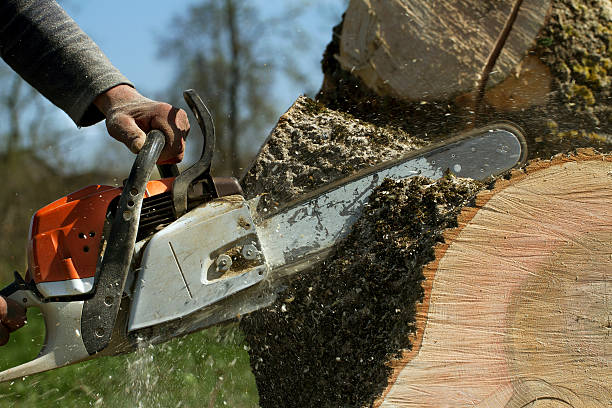
Tree pruning is an essential practice that contributes to the overall health, structure, and longevity of trees. By carefully removing unwanted or problematic branches, you not only improve the tree’s aesthetic appeal but also encourage robust growth and prevent potential hazards. Below, we explore why tree pruning is vital for maintaining healthy trees.
Promotes Healthy Growth
Pruning supports healthy growth by removing dead, diseased, or damaged branches. These problematic branches can consume the tree’s energy and resources, hindering its overall development. Properly pruning your tree allows nutrients to flow efficiently to essential areas such as healthy branches and roots.
Key benefits include: – Improved air circulation: Allowing air to flow more freely through the canopy reduces moisture buildup and minimizes the risk of fungal diseases. – Better sunlight exposure: Removing crowded or overlapping branches ensures that sunlight reaches all parts of the tree evenly. – Encouragement of new growth: Cutting back overgrown sections stimulates the development of stronger and healthier shoots.
Enhances Structural Integrity
Unmanaged trees may develop weak or poorly structured branch systems. Regular pruning helps guide a tree’s growth pattern, ensuring it maintains a sturdy framework capable of withstanding harsh weather conditions like heavy winds or snow.
Structural benefits include: – Preventing uneven weight distribution that may lead to cracking or splitting. – Reducing risks associated with overextended limbs breaking under pressure. – Encouraging balanced growth for long-term stability.
Prevents Safety Hazards
Overgrown trees can pose risks to property, people, and infrastructure. Low-hanging or dead branches are especially hazardous during storms when they are more likely to fall. Pruning at regular intervals helps mitigate these risks by removing potentially dangerous limbs before they become an issue.
Examples of common safety concerns: | Issue | Potential Risk | |——————————-|—————————————–| | Dead branches | Falling debris causing injury or damage| | Overhanging power lines | Electrical hazards | | Dense canopies | Increased wind resistance leading to blowdowns |
Protects Against Diseases and Pests
Pruned trees are less susceptible to infestations and diseases. Removing infected parts prevents pathogens from spreading further within the tree or to neighboring plants.
Tips for disease prevention: – Use sanitized tools during pruning. – Prune during dormant seasons (late fall or winter) when pests are less active. – Avoid leaving large open wounds on the tree; make clean cuts close to branch collars for quicker healing.
Improves Aesthetics
In addition to health and safety benefits, pruning improves a tree’s appearance by shaping its canopy in a visually pleasing way. This is particularly important for ornamental trees in residential yards or public spaces. A well-maintained tree enhances curb appeal while providing shade and environmental benefits.
Tree pruning is not just about cutting unwanted parts—it’s about fostering healthy growth while ensuring safety and aesthetics. Incorporating regular pruning into your landscaping routine will keep your trees thriving for years while minimizing potential risks associated with neglect.
Tips from a Tree Removal Company Palm Bay FL: Tips from an Arborist in Palm Bay FL on Identifying Diseased Trees and Preventing Damage
Proper tree maintenance extends beyond simple pruning and trimming—it includes identifying and addressing issues like diseases. Diseased trees can impact not only the health of the individual tree but also nearby plants if left unchecked. Understanding the signs of disease and implementing preventive measures is essential for maintaining a healthy landscape.
Signs of a Diseased Tree
- Yellow, brown, or spotted leaves outside of their natural seasonal cycles may indicate diseases such as anthracnose or blight.
- Curling, shriveling, or early leaf drop can also signal fungal infections.
- Brittle or bare branches that fail to produce new growth are often diseased.
- Inspect these branches for cracks, peeling bark, or evidence of decay.
- Sunken areas on the bark, known as cankers, suggest fungal infections that weaken the tree’s structural integrity.
- The presence of mushrooms at the base indicates root rot.
- Fungal bodies growing on bark might point to wood-decaying fungi.
- Trees releasing excessive amounts of sap with a foul odor could signify bacterial infections.
- Dark streaks on the bark might indicate stress caused by pests or diseases.
Common Tree Diseases
| Disease | Symptoms | Affected Trees |
| Dutch Elm Disease | Wilting leaves starting at branch tips | Elms |
| Cedar Apple Rust | Bright orange fungal spots on leaves | Apples, Crabapples |
| Oak Wilt | Leaf discoloration and rapid leaf drop | Oaks |
| Powdery Mildew | White powdery substance on foliage | Many deciduous trees |
Preventive Measures
- Regular Inspections:
Periodically check your trees for early signs of disease. Doing so allows you to intervene before significant damage occurs. - Proper Pruning Techniques:
Remove infected branches immediately using sterilized tools to prevent spreading pathogens: - Always sanitize your tools between cuts with rubbing alcohol or bleach solutions.
- Avoid cutting during wet weather when fungal spores are more active.
- Maintain Tree Health:
A healthy tree is more resistant to infections: - Water during dry spells but avoid overwatering.
- Apply mulch around the base (but not against the trunk) to retain moisture and regulate soil temperature.
- Fertilize in spring with an appropriate formula based on soil testing results.
- Tree Placement and Spacing:
Crowded trees compete for resources and are more susceptible to disease spread: - Ensure proper spacing during planting.
- Remove overcrowded undergrowth as necessary.
- Seek Professional Help:
For advanced cases such as root rot or widespread fungal infestations, consult certified arborists who can assess risks and recommend treatment options like fungicides or targeted removal.
Importance of Early Action
Taking timely action when identifying diseased trees minimizes risks like: – Further spread within your yard or neighboring properties. – Structural instability leading to property damage from falling branches or trees.
By keeping a close watch for these indicators and taking proactive measures, you can safeguard both individual specimens and your overall landscape from unnecessary harm.
How to Identify Diseased Trees and Prevent Further Damage
Identifying diseased trees early is essential for maintaining the health of your landscape and preventing the spread of damage to surrounding vegetation. Tree diseases can weaken the structural integrity of trees, making them hazardous, while also affecting their aesthetic value. Here’s a detailed guide to identifying diseased trees and taking appropriate preventive measures.
Common Signs of Disease in Trees
- Leaves turning yellow, brown, or curling unnecessarily during the growing season.
- Uneven foliage distribution or sparse leaf coverage across branches.
- Cracks, peeling bark, or cankers (sunken areas on the trunk or branches).
- Presence of dark streaks or oozing sap from the bark.
- Mushrooms growing at the base of a tree may indicate root rot.
- Fungal spores or bracket fungi on branches signal decay inside the tree.
- Branches that break off easily may indicate internal decay.
- Presence of large amounts of deadwood without any signs of new growth.
- Insects such as beetles or boreholes left by pests can spread disease.
- Look for sawdust-like material (frass) on tree trunks caused by boring insects.
Steps to Prevent Further Damage
Once a diseased tree has been identified, taking timely action is critical. Here are effective steps to address current issues and prevent future outbreaks.
- Prune Affected Areas:
Remove infected branches using proper pruning techniques to prevent disease from spreading further. Always sanitize pruning tools between cuts using rubbing alcohol or a solution of bleach and water (1 part bleach to 9 parts water). - Improve Air Circulation:
Thinning crowded areas within a tree canopy allows better airflow, which reduces humidity levels—an environment where many fungal diseases thrive. - Water Properly:
Overwatering can lead to conditions like root rot, while underwatering stresses the tree, making it more susceptible to infections. Maintain consistent watering practices based on species needs. - Apply Mulch Strategically:
Add mulch around the base but keep it away from direct contact with the trunk. This helps retain moisture while avoiding fungal buildup near roots. - Use Disease-Resistant Species:
If replacing trees, choose species known for their resistance to common diseases in your area. - Implement Integrated Pest Management (IPM):
Control pest populations without harming beneficial insects that naturally protect your trees from disease-spreading pests.
Common Tree Diseases and Their Symptoms
| Disease | Symptoms | Treatment Options |
| Dutch Elm Disease | Yellowing leaves; wilting branches | Remove infected limbs; fungicidal injections |
| Powdery Mildew | White powdery coating on leaves | Improve air circulation; apply fungicides |
| Root Rot | Mushy roots; stunted growth | Reduce overwatering; improve soil drainage |
| Oak Wilt | Brown leaf edges; early leaf drop | Prune during dormant seasons; fungicides |
Importance of Professional Assessment
While minor issues can often be addressed through regular maintenance practices, severe cases may require professional intervention. Arborists have specialized knowledge in diagnosing complex diseases and determining whether treatments like injections, chemical applications, or even complete removal are necessary.
Taking proactive steps not only saves individual trees but also promotes healthier ecosystems by reducing risks associated with widespread infections across landscapes. Always prioritize proper care methods tailored specifically for each species under your stewardship.

Understanding the Importance of Tree Pruning Service Palm Bay FL for Safe and Healthy Trees
Overhanging branches can pose a variety of challenges and opportunities for property owners. While they may provide shade, aesthetic appeal, and habitat for wildlife, improper management of these branches can result in safety hazards, property damage, and hindered tree health. Effective pruning techniques are essential to mitigate risks while maximizing the benefits.
Risks of Overhanging Branches
- Property Damage: Branches hanging over rooftops, utility lines, or vehicles can break during storms or under the weight of snow and ice, causing costly damage.
- Safety Hazards: Falling branches pose risks to pedestrians, pets, and structures below. Large or dead overhanging limbs are especially dangerous.
- Pest Infestations: Overhanging branches that touch roofs or walls provide pathways for pests such as squirrels and insects to access homes.
- Tree Health Issues: Unpruned overgrowth can block sunlight from reaching other parts of the tree canopy or surrounding vegetation. This can stunt growth and lead to weaker structural integrity.
Benefits of Proper Pruning Techniques
- Enhanced Safety: Removing weak or dead limbs minimizes the risk of falling branches during adverse weather conditions.
- Improved Aesthetics: Proper pruning maintains the natural shape of trees, contributing to a well-manicured landscape.
- Promoted Tree Health: Eliminating overcrowded or crossing branches allows better air circulation and sunlight penetration throughout the tree.
- Reduced Maintenance Costs: By addressing problematic limbs early on, property owners avoid more expensive repairs caused by unchecked growth.
Essential Pruning Techniques for Overhanging Branches
- Identify deadwood or damaged limbs that need immediate removal.
- Check for signs of disease before cutting to prevent spreading infections.
- Use sharp pruning shears for small limbs under 1 inch in diameter.
- For larger branches (over 2 inches), opt for loppers or a handsaw designed specifically for tree trimming.
- Make cuts at branch collars (the swollen area where the branch meets the trunk) to allow proper healing.
- Avoid flush cuts that damage bark tissue.
- Make an initial undercut several inches away from the trunk to prevent bark tearing.
- Create a second top cut further out on the branch until it falls off safely.
- Complete with a final cut just outside the branch collar.
- Remove no more than 25% of a tree’s canopy at one time to prevent stress on its health.
Table: Common Tools Used in Pruning
| Tool | Purpose | Suitable For |
| Hand Pruners | Cutting thin twigs | Smaller ornamental trees/shrubs |
| Loppers | Trimming medium-sized limbs | Fruit trees/deciduous trees |
| Pruning Saw | Cutting thick or mature overhanging branches | Large trees |
| Pole Saw | Reaching high limbs without climbing | Tall evergreen/coniferous trees |
When Professional Help is Needed
While minor maintenance tasks may be manageable on your own, certain situations call for professional arborist intervention: – If overhanging branches are close to power lines – When dealing with large or heavy limbs requiring specialized equipment – If significant structural defects in the tree are identified
Properly addressing overhanging branches ensures safer outdoor spaces while fostering healthier trees capable of thriving for years ahead.
Understanding Tree Removal in Palm Bay FL: Risks and Benefits of Proper Pruning Techniques
Overhanging branches can present various challenges and opportunities for tree health, property safety, and aesthetics. Understanding the risks associated with overhanging branches, as well as the advantages of proper pruning techniques, is essential for maintaining a safe and healthy outdoor environment.
Risks Associated with Overhanging Branches
- Damage to Property: Branches that extend over rooftops, fences, or other structures can cause damage during storms or as they grow heavier.
- Falling Hazards: Dead or weak overhanging branches are prone to falling unexpectedly, posing a danger to people, pets, and vehicles below.
- Interference with Utilities: Overgrown branches near power lines may disrupt utilities and increase the risk of sparks or electrical fires.
- Reduced Sunlight Penetration: Excessive canopy coverage from overhanging limbs may block sunlight from reaching lawns, gardens, or other plants.
Benefits of Proper Pruning Techniques
- Improved Tree Health
Pruning removes diseased or dead limbs that may hinder tree growth. This practice redirects nutrients to healthier parts of the tree. - Enhanced Safety
Regularly eliminating weak or dying branches reduces the risk of falling limbs during heavy winds or storms. - Aesthetic Appeal
Shaping the canopy through selective pruning promotes symmetry and improves the overall appearance of both the tree and surrounding landscape. - Increased Sunlight Penetration
Proper pruning allows more sunlight to reach areas below the tree’s canopy. This supports healthier grass growth and enhances garden vitality. - Protection for Property & Utilities
Trimming back intrusive branches helps protect roofs, gutters, windows, and nearby utility lines from encroachment.
Best Practices for Pruning Overhanging Branches
- Use appropriate tools such as loppers for small branches or a pole saw for high-reaching limbs.
- Do not remove more than 25% of a tree’s canopy in one season; excessive cutting may stress the tree.
- Make clean cuts at branch collars (the swollen area where one branch meets another) to encourage proper wound healing.
- Assess overhead clearance needs before shaping trees near structures like homes or driveways.
- Avoid pruning large sections during extreme weather seasons (e.g., winter storms), when it’s easy for exposed areas to sustain additional damage.
| Risk/Benefit | Description |
| Damage Prevention | Protects structures by reducing chances of falling branches |
| Tree Longevity | Encourages healthier growth by removing diseased components |
| Landscaping Appeal | Improves aesthetics by maintaining an even canopy |
| Safety Enhancements | Minimizes hazards posed by weak or dead overhanging limbs |
Pruning is a valuable skill that promotes safety while preserving natural beauty when done appropriately. Addressing overhanging branches early ensures long-term benefits for both trees and their surrounding environments.
Key Safety Tips for Effective Tree Pruning Practices
Wear Proper Personal Protective Equipment (PPE)
- Helmet or Hard Hat: Protects against falling branches or tools.
- Gloves: Reduces the risk of cuts, abrasions, and blisters.
- Safety Goggles: Shields your eyes from debris, wood chips, or dust.
- Steel-Toed Boots: Provides foot protection from falling objects.
- Hearing Protection: Necessary if power tools like chainsaws are being used.
Inspect Your Tools Regularly
- Pruning Shears and Saws: Check for sharpness to avoid applying excessive force that could lead to injury. Replace damaged blades immediately.
- Ladders: Confirm they are sturdy and not wobbly. Use only non-conductive ladders (fiberglass or wood) when working near power lines.
- Power Tools: Inspect electrical cords for fraying or damage and perform regular maintenance on chainsaws.
Tip: Always keep tools clean to prevent spreading diseases between trees.
Assess Tree Stability Before Pruning
- Look for dead or hollow sections in the trunk that may indicate instability.
- Assess whether branches are under tension (e.g., crossed branches), as they could snap suddenly when cut.
- Avoid working on a tree during harsh weather conditions such as strong winds or heavy rain.
Follow Safe Climbing Practices
- Use a secure harness system with ropes rated for arborist use.
- Stay tied off at all times and maintain three points of contact when climbing (e.g., two hands and one foot).
- Never exceed the safe working load of ropes and hardware.
Be Mindful of Overhead Power Lines
- Keep a safe distance from power lines—at least 10 feet away at all times.
- Do not attempt trimming near utility lines unless you are a qualified professional trained in working around electricity.
If any branches are entangled in power lines, contact your local utility company before proceeding.
Plan Your Cuts Strategically
- Start by removing smaller branches first before addressing larger ones.
- Identify escape routes in case large limbs fall unpredictably during cutting.
- Utilize proper techniques such as making an initial undercut before completing the final cut on heavy limbs.
Work With a Partner When Possible
Having another person present during tree pruning operations can enhance safety significantly by providing assistance where needed. A partner can act as a spotter to monitor branch movements, hold ladders steady, or call for help in emergencies.
Summary Table: Pruning Safety Checklist
| Task | Action Steps |
| Wear PPE | Helmet, gloves, goggles, boots |
| Inspect Tools | Sharpen blades; check ladders & ropes |
| Assess Tree Stability | Examine deadwood; evaluate branch tension |
| Climb Safely | Use harnesses; maintain contact points |
| Avoid Power Lines | Stay 10 ft away; contact utility company |
By adhering strictly to these practices, you can ensure both effective results and personal safety during tree pruning activities.
- What Does an Arborist in Palm Bay FL Do and Why Are They Essential for Tree Pruning?
- Expert Tree Pruning Services by a Certified Arborist in Palm Bay FL
- How an Arborist in Palm Bay FL Can Improve Your Property with Expert Tree Pruning
- Why Every Homeowner Should Consider Hiring a Professional Arborist for Tree Pruning
- Why Hiring Palm Bay Tree Service Experts Matters for Safe and Effective Tree Pruning
- Essential Tips for Palm Bay Tree Service and Healthy Tree Growth
- 10 Key Signs Your Tree Needs Trimming or Removal by an Arborist in Palm Bay FL
- Why You Should Hire a Tree Removal Company Palm Bay FL Instead of a Tree Guy